
Women Leading with Strength and Purpose
Writer: David Kyalo
Editor: Everlyne Kanyiri
Contributors: Lucy Kariru, Melanie M. (for their valuable insights and feedback)
What does it take to lead in today’s world?
Is leadership determined by gender or the ability to inspire, influence, and drive change?
Are the stereotypes about women in leadership always true?
Are women too emotional, moody, or incapable of making wise decisions?
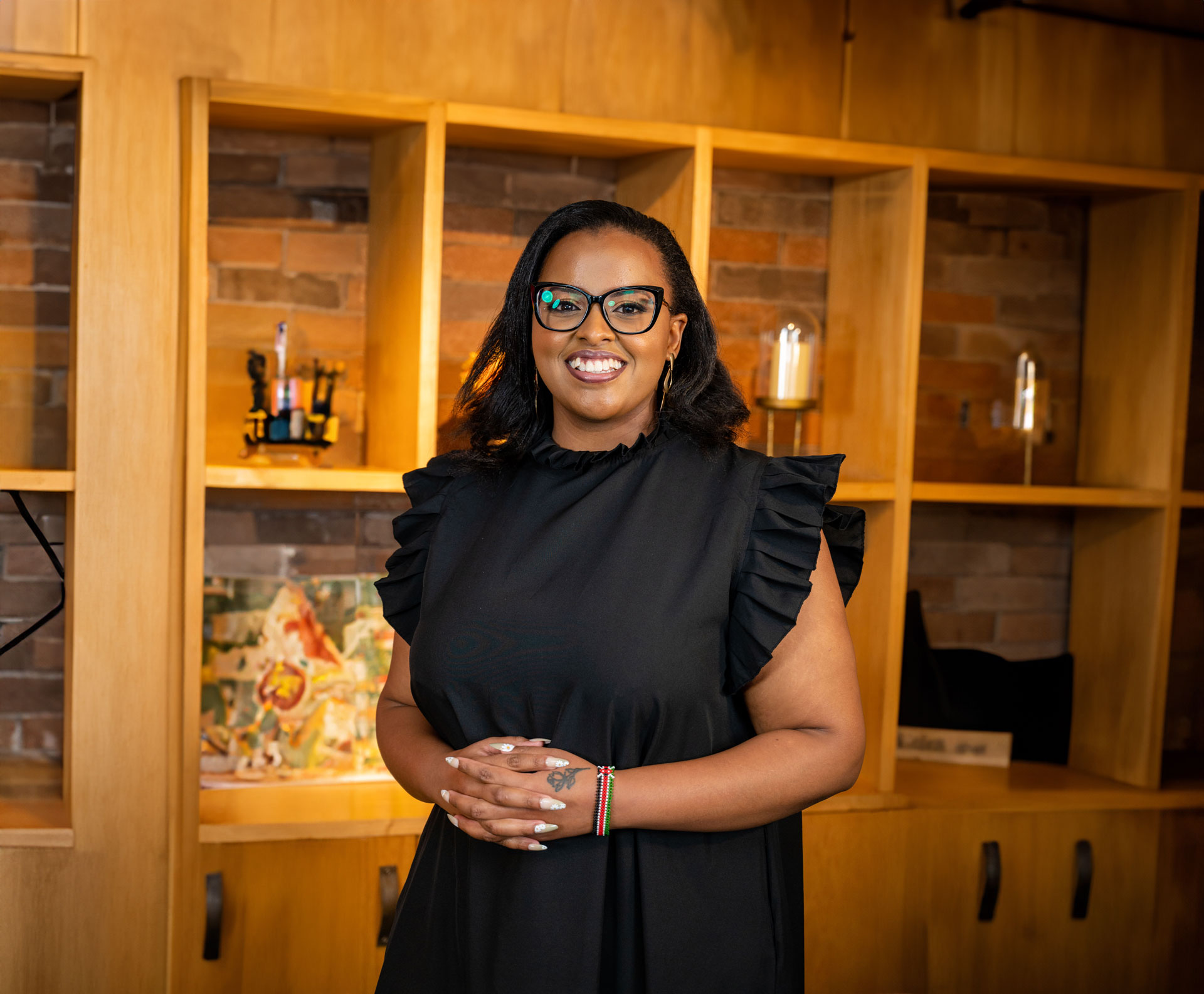
These questions lingered when I signed up for the “WHEN WOMEN LEAD” webinar hosted by Esther Mwaniki, featuring Rev. Truphie Kwaka-Sumba as the keynote speaker.
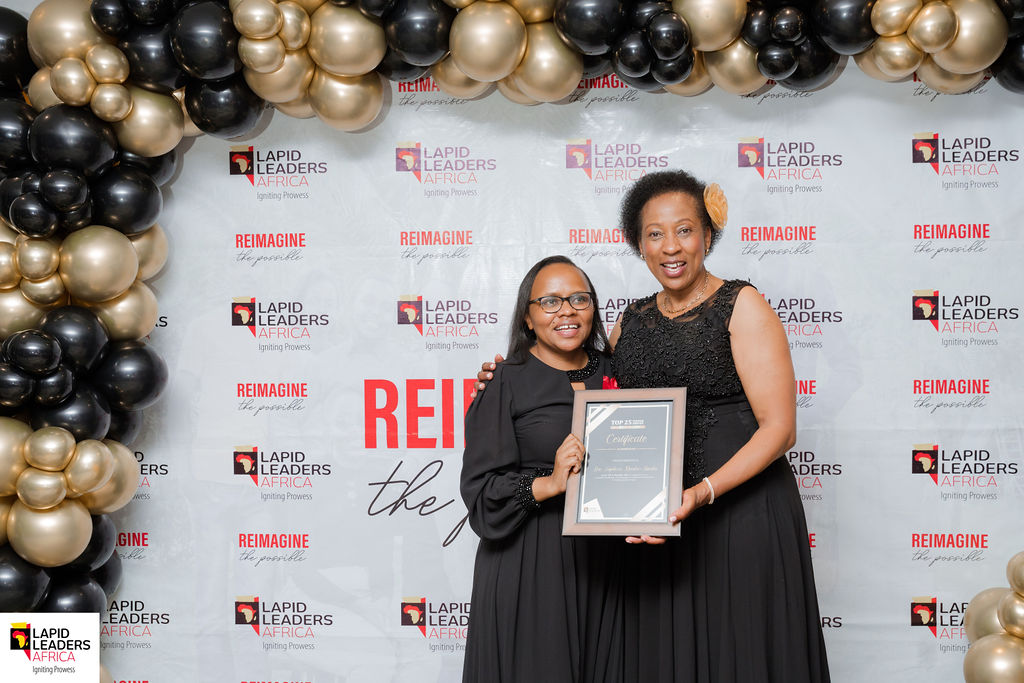
I admit that most leaders I have experienced are men, and I am still learning about women’s leadership, what makes it unique, what challenges come with it, and how women navigate spaces of influence. One key moment that challenged my perspective was when I joined Lapid Leaders and found myself under the leadership of Esther Mwaniki. Over time, I have come to admire her wisdom and leadership style and attending this webinar was another opportunity to reinforce the idea that women lead well.
Rev. Truphie did not disappoint. She shared powerful insights on leadership, mentorship, and overcoming barriers. She spoke with grace and gentleness, yet with a firmness that made her message impossible to ignore. She carried the weight of experience and wisdom, yet her delivery made it accessible and inspiring.
In this post, I’ll share my key lessons about education, self-leadership, mentorship, overcoming barriers, and balancing life’s many roles. Whether you’re a woman navigating your leadership journey or someone seeking to understand and support our women leaders, there’s something here for you.
Education as Liberation: Elevate Your Thinking

Quote: “I see education as a tool for purpose. It is how we equip the next generation to lead, serve, and transform society.” Rev. Truphie Kwaka-Sumba
Truphie opened with a provocative idea: Education should build in us the capacity to solve problems. She emphasised that education isn’t merely about degrees; it’s a tool to rewire how we see the world by building solutions. “In Africa, we need to build people first,” she said. “Only then can we build institutions.”
This struck a chord. How often do we equate education with job readiness rather than societal transformation? Esther echoed this, noting that our systems usually incentivise “the bare minimum,” rewarding compliance over creativity. “The extra mile is never crowded,” she said, a reminder that excellence requires defiance of mediocrity.
Ask yourself: Has your education taught you to follow instructions or to think critically? How might you repurpose your learning to solve problems in your community?
Self-Leadership: Building Yourself First

Quote: “Great leadership doesn’t start with leading others; it starts with leading yourself. Master that, and everything else follows.” Rev. Truphie Kwaka-Sumba
Truphie reminds us that leadership begins within. Before leading others, you must lead yourself by cultivating discipline, resilience, and a teachable heart.
She spoke candidly about the internal battles many women face: fear of failure, self-doubt, and imposter syndrome. These quiet struggles often hinder growth and the full utilisation of potential more than external barriers. Yet, leadership calls for courage, choosing to show up daily, grow, and serve, even when no one is watching.
Rev. Truphie urged us to embrace a mindset that says, “I can do it. I will learn. I will serve, even without recognition.” The path may be lonely occasionally, but Esther remarked that we should “Go the extra mile; it is never crowded.”
So, where in your life do you need to lead yourself with courage and intentionality?
The Extra Mile: Excellence in the Shadows

Quote: “Go the extra mile; it is never crowded.” Esther Mwaniki
One anecdote captured the cost of leadership. Before an important event, Truphie stayed up all night cleaning and organising the venue. She slept barely an hour, then showed up radiant the next day. No one knew her sacrifice. “The extra mile often goes unrecognised,” Esther noted. “But mediocrity isn’t worth celebrating.”
This resonated deeply. How do we find fulfilment in unseen labour in a world obsessed with visibility? Esther challenged the audience: “Do you have the capacity to deliver results?” she asked. It isn’t about applause but integrity!
Ask yourself: When did you last do something extra without expecting praise? What drives you when no one’s watching?
Mentorship: When High Standards Meet Compassion

Quote: “I have sponsored people who show a ‘can-do’ attitude, who are humble enough to say ‘teach me,’ and who will work hard and go the extra mile. That’s what sets apart future leaders.” Rev. Truphie Kwaka-Sumba
Truphie’s journey changed dramatically at St. Paul’s University under the guidance of Professor Esther Mombo. Though colleagues warned that Prof. Mombo was demanding, Truphie found herself a mentor who challenged her and showed genuine care. Prof. Mombo refused to let her settle for less, consistently pushing her toward excellence.
One event that stood out to Truphie as a testament to genuine care was during her pregnancy. Prof. Mombo decided to adjust her workload, provide resources, and allow her to work from home, seeing her as a person, not a problem. Later, when Truphie was burnt out and ready to quit, Prof. Mombo stepped in again. She didn’t offer easy praise but challenged Truphie to face her fears. “She kept me in the university when I wanted to give in,” Truphie recalls. Eventually, Prof. Mombo even created a job tailored to her strengths.
Esther stated that mentorship requires intentionality. Mentors must pour into others, and mentees must stay teachable, even when the feedback is hard to hear.
This made me wonder: How often do we dismiss mentors who challenge us? Are we teachable, even when feedback stings?
Barriers: The Invisible Walls We Build (and Break)

Quote: “As women, we don’t wait for permission to lead; we lead. You will face bias, but your impact is what will speak louder.” Rev. Truphie Kwaka-Sumba
The conversation turned to barriers women face in their leadership journey. Fear of failure, self-doubt, and cultural stereotypes topped the list. Truphie spoke candidly about imposter syndrome, while Esther dismissed victimhood as a “half-baked truth that handicaps you.”
But one line lingered: “What matters is whether you have the qualities to lead, male or female.” Esther argued that fixating on gender can limit our growth. “I am a leader, not a woman leader,” she asserted.
Reflect: Do you ever downplay your achievements to fit others’ expectations? How might you reclaim your narrative?
Balance: Faith, Family, and the Seasons of Life

For Truphie, leadership is rooted in faith. “It informs everything,” she said. But balance isn’t about perfection, it’s about seasons. “There’s a time to focus on family, a time to lead, a time to rest,” she explained. Esther likened it to living abroad and how the people there learned to adapt to the winter and summer seasons.
This metaphor felt liberating. So often, we demand constant productivity, but what if we embraced life’s rhythms? Truphie’s ability to lead while pregnant, for example, was possible only because she prioritised her season of motherhood.
Ponder: What season are you in? Are you resisting it or leaning into its unique demands?
Closing: Leadership Is a Capacity, Not a Gender

What a conversation! Rev. Truphie’s message was clear: God endowed every woman with leadership capacity. Leadership isn’t about gender or titles but about courage, character, and faithful service. Before influencing others, you must lead yourself with discipline, resilience, and purpose.
So, where in your life are you being called to step up?
Do you believe in your voice?
Are you making bold decisions?
Do you want to overcome self-doubt and the fear of failure?
You’ve got what it takes!
Start with one intentional step today. Whether big or small, every act of leading yourself creates momentum. Go the extra mile; it will be lonely but never crowded.
You were created with the capacity to lead. Don’t wait for permission. The world is waiting for the influence only you can bring. Embrace it, lead yourself first, and watch the ripple effect of your influence change the world around you.